
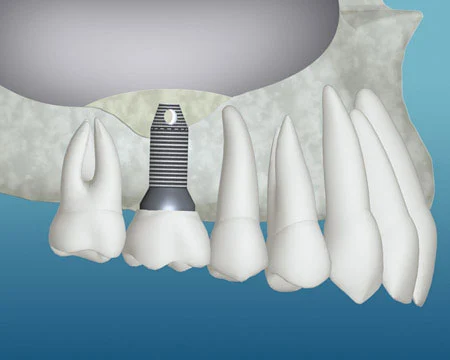
Do you have enough jawbone support for dental implants? Dental implants can be a long-term solution for replacing missing teeth, but strong and healthy jawbone support is needed for proper placement. An oral surgeon near me can check your jawbone strength and determine if it can support an implant. For patients considering dental implants in Park Ridge, evaluating bone health helps create a safe and effective treatment plan.
When the jawbone has lost volume after tooth loss, bone grafting for dental implants may be recommended to rebuild the area and create a stronger foundation for the implant.
Why Is Bone Support Important for Dental Implants?
Dental implants are placed into the jawbone, where they act as a replacement for the missing tooth root. Strong bone support helps hold the implant securely and supports long-term function.
After losing a tooth, the jawbone may naturally begin to shrink because it no longer receives the same pressure from chewing. Over time, this bone loss may affect whether an implant can be placed safely.
Factors that may lead to reduced bone support include:
- Long-term tooth loss
- Gum disease that affects bone levels
- Injury or trauma to the jaw
- Natural bone changes after tooth removal
A detailed examination helps determine the condition of the jaw before starting implant treatment.
What Is Bone Grafting for Dental Implants?
Bone grafting is a procedure used to add support to areas where the jawbone is not strong or thick enough for an implant. The added material helps encourage new bone growth and improves the foundation for future implant placement.
During bone grafting Park Ridge treatment, a dental professional carefully places grafting material in the area that needs support. Over time, the body works with the graft material to develop stronger bone in that location.
The goal is to create a healthier environment where a dental implant can be placed with proper support.
When Is Bone Grafting Needed Before Implant Surgery?
Not every patient who needs dental implants requires bone grafting. The need depends on the amount of available bone and the location of the missing tooth.
Bone grafting may be considered when:
- The jawbone is too thin or weak.
- A tooth has been missing for a long time.
- Bone loss has occurred because of gum problems.
- The area needs additional support before implant placement.
A careful evaluation helps determine whether bone grafting is necessary before moving forward with implant surgery.
How Does the Bone Grafting Process Work?
The bone grafting process begins with an examination of the jaw and treatment area. Imaging may be used to understand the amount of bone available and plan the procedure.
The general process may include:
- Assessing the jawbone condition
- Preparing the treatment area
- Placing graft material where additional support is needed
- Allowing time for healing and bone development
- Checking the area before implant placement
The healing period varies depending on the individual treatment plan and the amount of bone support needed.
How Long Does Healing Take After Bone Grafting?
Healing after bone grafting takes time because the jaw needs to develop stronger support before an implant can be placed. The timeline depends on the size of the graft, the location being treated, and individual healing factors.
During the healing period, patients may need to:
- Follow the eating and care instructions.
- Attend follow-up appointments
- Maintain good oral hygiene.
- Avoid activities that may affect healing.
Once the area has healed properly, implant placement can be planned.
How Does a Dental Professional Decide If Bone Grafting Is Needed?
Every implant treatment plan is different. A dental professional reviews the patient’s oral health, jaw structure, and tooth replacement goals before recommending any additional procedures.
A consultation with an oral surgeon near you can help answer questions about bone levels, implant options, and the steps needed before surgery.
The evaluation may include:
- Reviewing dental history
- Checking the condition of the gums and jaw
- Examining the missing tooth area
- Discussing available treatment options
This approach helps create a plan based on individual needs rather than using the same treatment for every patient.
What are the Benefits of Bone Grafting Before Dental Implants?
Bone grafting can help prepare the jaw for implant treatment when bone support is limited. Improving the foundation may allow more patients to become candidates for dental implants.
Potential benefits include:
- Creating better support for implant placement
- Restoring areas affected by bone loss
- Improving treatment options after tooth loss
- Helping maintain jaw structure
The results depend on each patient’s healing process and overall oral health.
Restore Your Smile With Personalized Implant Care!
Bone grafting is often necessary for patients who do not have enough jaw support for a dental implant. An adequate assessment assists in selecting the proper technique to build a stable foundation for tooth replacement. For implant planning and treatment, get in touch with John M. Sisto, DDS, for individualized care. Explore your options. Book your consultation today.
FAQs
1. Is bone grafting always needed before dental implants?
No. Some patients have enough jawbone for implants without grafting. A dental checkup can determine if extra support is needed.
2. Is bone grafting painful?
The procedure is done with methods to keep you comfortable. Following care instructions can support healing.
3. How long after bone grafting can implants be placed?
The timing depends on healing. Your dentist will check your progress and recommend the right time.
4. What if there is not enough bone for implants?
Bone grafting may help rebuild the area and create better support for implant placement.
